

Salted and Unsalted Butter 82% Fat: Benefits, Uses & Key Differences
Discover the differences, benefits, and best uses of salted and unsalted butter 82% fat. Learn which is best for baking, cooking, and your health. Full guide with FAQs.
Salted and Unsalted Butter 82% Fat: What You Need to Know
Butter is a staple in kitchens around the world. But when choosing between salted and unsalted butter 82% fat, many wonder which is better for baking, cooking, and health. This guide dives deep into the characteristics, benefits, and uses of each, helping you make the best choice for your culinary needs.
What Is 82% Fat Butter?
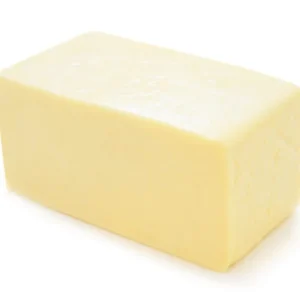
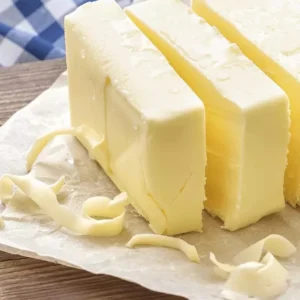
Butter typically contains 80–82% milk fat. 82% fat butter is often considered higher quality, especially in European-style varieties. The higher fat content means:
-
Richer flavor and creamier texture
-
Less water content (ideal for baking)
-
Better shelf life when salted
Whether salted or unsalted, 82% fat butter offers a premium experience for professional chefs and home cooks alike.
Salted Butter 82% Fat: Features and Uses
What Is Salted Butter 82% Fat?
Salted butter is made by adding salt to churned cream. At 82% fat, it delivers a bold flavor and superior cooking performance.
Key Benefits:
-
Longer shelf life due to salt’s preservative quality
-
Great for table use, spreading on bread, toast, or pancakes
-
Enhances savory dishes, sauces, and sautéed vegetables
Best Uses:
-
Grilled cheese sandwiches
-
Pan-seared meats
-
Roasted vegetables
-
Mashed potatoes
When you’re not measuring exact salt content, salted butter 82% fat is a flavorful, convenient choice.
Unsalted Butter 82% Fat: Why Bakers Prefer It
What Is Unsalted Butter 82% Fat?
Unsalted butter is pure cream, churned without salt. It’s favored in baking and recipes that require precision.
Key Benefits:
-
Control over salt content in recipes
-
Freshness indicator—since there’s no salt to mask spoilage
-
Ideal for sweet dishes like cakes, cookies, and frostings
Best Uses:
-
Pastry and pie dough
-
Buttercream frosting
-
Croissants and laminated dough
-
Sauces like hollandaise and béarnaise
Professional bakers opt for unsalted butter 82% fat for consistent, high-quality results.
Salted vs. Unsalted Butter 82% Fat: Key Differences
| Feature | Salted Butter 82% Fat | Unsalted Butter 82% Fat |
|---|---|---|
| Flavor | Savory, rich | Mild, creamy |
| Shelf Life | Longer (salt preserves) | Shorter |
| Salt Content Control | Not precise | Full control |
| Best for Baking? | Not ideal | Preferred by bakers |
| Culinary Use | Spreads, savory dishes | Baking, sauces, desserts |
Understanding the subtle distinctions allows you to choose the right butter based on your recipe and taste preference.
How to Store and Use Butter Properly
-
Refrigerate both types at or below 40°F (4°C)
-
Freeze for long-term storage (up to 6 months)
-
Store salted butter in a butter dish at room temp for daily use
-
Always check for spoilage—discoloration or sour smell signals it’s time to toss
Is 82% Fat Butter Healthier?
Butter is a natural fat, and when consumed in moderation, it offers fat-soluble vitamins like A, D, E, and K. The 82% fat content means:
-
Less moisture, resulting in fewer burnt or soggy results in cooking
-
More concentrated nutrients
-
May be easier to digest for some compared to margarine or lower-fat options
However, balance is key—combine it with a healthy diet rich in vegetables, lean proteins, and whole grains.
Buying Tips for Salted and Unsalted Butter 82% Fat
-
Look for “European-style” or “cultured” butter for deeper flavor
-
Choose organic or grass-fed options for better nutrient profiles
-
Check the label for fat percentage and expiration date
Conclusion: Which Butter Should You Choose?
Both salted and unsalted butter 82% fat serve important roles in the kitchen. Use salted butter for rich, everyday cooking and flavor, while choosing unsalted butter when baking or requiring precise control over salt levels.
For the best results, keep both types in your kitchen. Let your recipes—and your taste buds—guide you.
Salted and Unsalted Butter 82% Fat
Salted and Unsalted Butter 82% Fat
FAQs About Salted and Unsalted Butter 82% Fat
1. Can I use salted butter instead of unsalted in baking?
Yes, but reduce added salt in the recipe. For best results, use unsalted for precise flavor control.
2. Why is 82% fat butter better for baking?
It has less water, providing flakier pastries, more stable doughs, and richer taste.
3. How long does salted butter last?
Up to 3 months refrigerated or 6 months frozen, thanks to the salt’s preserving power.
4. Is unsalted butter healthier than salted?
It’s not necessarily healthier, but it does allow better control over sodium intake.
5. What’s the difference between European-style and regular butter?
European-style butter typically has 82–85% fat, while regular US butter has about 80%. The higher fat offers richer flavor and improved baking performance.
Reviews
There are no reviews yet.